
Building EdTech in Nigeria
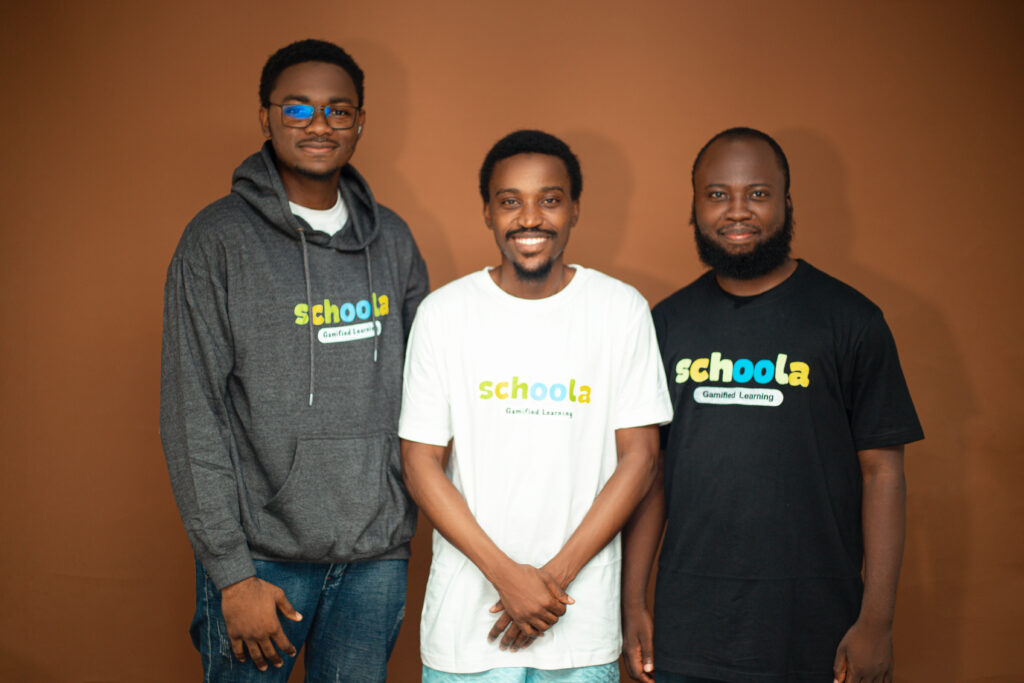
By Nasiru Mustapha, Abdullahi Muhammad Bature & Abdulalim Ladan
Prologue: When Learning Nearly Stopped
In March 2020, classrooms across Africa went silent.
The COVID-19 pandemic did more than shut school gates. It exposed a truth many of us had long ignored: Africa’s education systems were dangerously fragile. Learning depended on physical presence, paper, and routines that collapsed overnight. Across the continent, the sudden disruption accelerated the need for reliable edtech in Nigeria and Africa.
For us, this moment was personal.
We had spent years inside schools, wiring servers by hand, travelling long distances to keep systems running, and watching teachers struggle with tools never designed for their realities. When the lockdowns came, one question became unavoidable:
If schools close tomorrow, does learning have to stop?
Schoola was our answer.
Before Schoola: Early Attempts at Building EdTech in Nigeria (2018–2019)
Schoola did not begin with AI, cloud infrastructure, or pitch decks.
It began in 2018, inside Darul Huda Foundation School in Kaduna, with a fully offline School Management System.
- Built using XAMPP and deployed on an on‑site server
- No internet dependency
- Designed to work in environments others ignored
When the system was later deployed at Command Secondary School, Television, Kaduna, we made it mobile‑responsive. Abdulalim went further, building an offline mobile app that collected student scores and synced them only when connectivity was available.
But the reality was brutal.
Television, Kaduna was far. We visited Command Secondary School over 40 times to keep things running. The learning was invaluable — but the model was unsustainable.
That struggle taught us our first major lesson:
Technology that doesn’t scale accessibly will always fail education.
By 2019, we moved online.
We rebuilt the platform as an online School Management System, deploying it to at least 11 schools. For the first time, the name Schoola emerged — short for School Automation.
Then the world shut down, the moment further highlighted the urgent need for scalable edtech in Nigeria.
The Pivot That Changed EdTech in Nigeria (2020)
COVID‑19 forced us back to the drawing board.
Schools were closed. Teachers were confused. Students were idle.
During an intense brainstorming session in May 2020, one idea stood out:
What if learning felt like play?
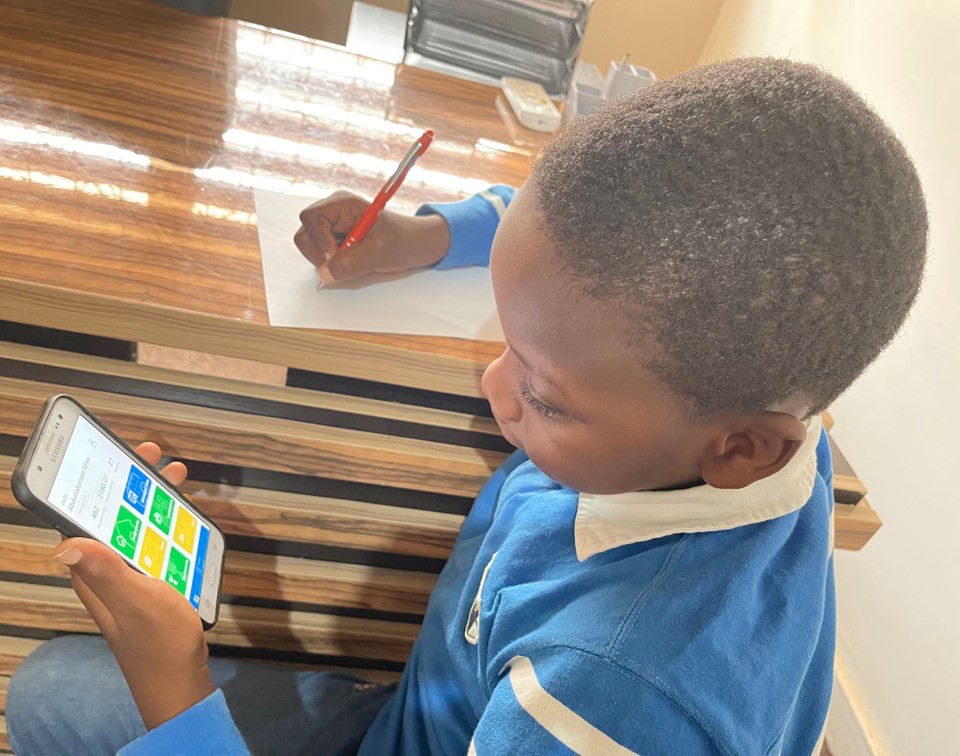
In under 40 days, Nasiru, Abdulalim, Hauwa, Abdulkadir, and George built what became Schoola Learn – a gamified learning and assessment platform that rewarded students for doing schoolwork.
On July 1, 2020, Schoola officially launched.
By October, we hosted our first learning tournament. By the end of the year:
- The platform recorded 80,000+ monthly visits
- Schoola Ltd was officially incorporated on November 25, 2020
- We were selected as Top 10 AI‑driven startups representing Nigeria at GITEX Global, Dubai (December 2020)
Schoola had found its footing.
But we were only getting started.
From Students to Teachers: Solving the Real EdTech Challenge in Nigeria (2021–2022)
As adoption grew, a deeper insight emerged.
Students were not the biggest bottleneck.
Teachers were.
Most educators were overwhelmed by lesson planning, curriculum alignment, and assessment design — especially in under‑resourced environments. Technology was adding pressure, not removing it.
In 2021, this clarity began attracting recognition:
- Most Innovative Startup of the Year – NITDA (Nigeria)
- Top 10 EdTech Startups in Nigeria – GESA Awards (2021)
- iNOVO Innovation Program – UK‑Nigeria Tech Hub (Implemented by Startupbootcamp AfriTech & Ventures Platform)
By 2022, Schoola was named among the HolonIQ Africa EdTech 50, a recognition we would go on to receive four consecutive years (2022–2025).
The direction was clear.
If Africa was going to learn at scale, teachers had to win first.
Curri AI: Advancing AI in Education in Nigeria (2023–2024)
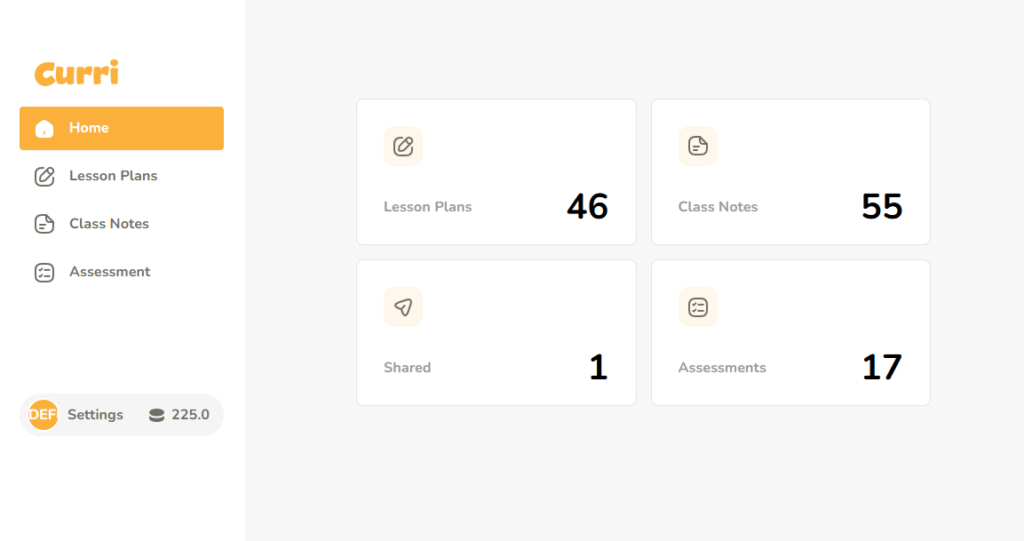
In 2023, Schoola introduced Curri AI — an AI‑powered teaching assistant designed not to replace teachers, but to think with them. This marked a major step forward for AI in education in Nigeria, shifting focus from access to teacher empowerment.
Curri AI helped educators:
- Create curriculum‑aligned lessons in seconds
- Design assessments faster
- Adapt content to local contexts
The impact was immediate.
Schoola began working with institutions and partners across fragile and public education systems:
- Opportunity To Learn (OTL) Project – Yola & Maiduguri with IRC & USAID
- Foundational Literacy & Numeracy (FLN) Pilot across Nasarawa, Kano & Oyo States with UBEC, CcHUB, and the Gates Foundation
Recognition followed:
- Africa IoT & AI Challenge – Nigeria Winner & Africa Winner (GITEX Africa, Marrakech)
- LEAP Rocket Fuel Challenge Finalist – Riyadh
- Mastercard Foundation EdTech Fellowship Grant Winner
- Gates Foundation Grant Awardee
By the end of 2024, Curri AI was no longer a product.
It was infrastructure.
2025: Scaling EdTech in Nigeria
2025 was Schoola’s best year yet.
But it was also the year we admitted something uncomfortable:
Scaling EdTech takes far more than good technology.
It requires:
- Infrastructure
- Pedagogical expertise
- Policy alignment
- Trust
- And relentless willpower
Still, the progress was undeniable.
What We Achieved in 2025
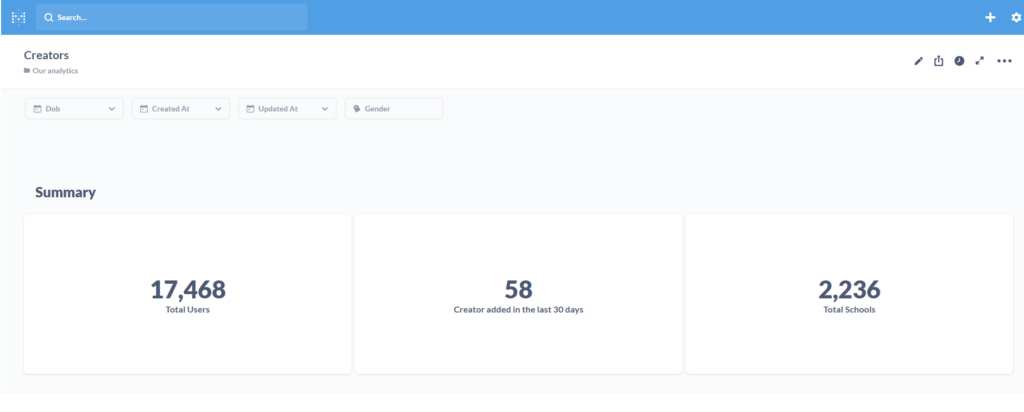
- 3× growth in Curri AI users — from 6,000 to 17,000+ teachers
- 2,000+ schools signed up to try Curri for Schools
- Government partnerships with UBEC and two SUBEBs
- EduTAMS integration supporting foundational learning in Kano & Nasarawa
- 80,000+ learners impacted
Global Recognition & Presence
- AI Action Summit, Paris (Expert Delegate)
- Future of Digital Cities, Cairo (Speaker)
- AI for Education Summit, Nairobi
- eLearning Africa 2025, Dar es Salaam (Speaker)
- UNDP AI for Social Good Exhibitor (2025) — welcoming the Crown Princess of Sweden
- GITEX Africa Supernova Challenge – Semi‑Finalist
- African Union Startup Youth Innovator Program
Schoola had become one of the most visible AI‑for‑Education voices from Africa.
What We Learned
Better lessons without better teaching outcomes are not enough.
The hidden challenges became clear:
- Teachers lacked modern pedagogy capacity
- Schools had no AI strategy
- Responsible AI was an afterthought
Our Response
- Curri AI evolved into a capacity‑building companion for teachers
- We began co‑designing AI adoption pathways with schools
- We strengthened trust through NDPR compliance and ISO 27001 standards
The Belief That Drives Us Forward
Africa cannot have AI‑driven industries without AI‑ready classrooms.
Schoola exists to make sure teachers are not left behind in the AI era — because when teachers win, students win, and societies move forward.
Schoola — Enabling edtech in Africa