
Your child downloaded an educational app last month. They used it twice, earned 47 badges, and learned exactly nothing. Welcome to the educational app graveyard, where millions of downloads mean nothing and busy parents waste money on digital babysitters disguised as learning tools.
The educational app market is flooded with products that promise transformation but deliver distraction. Research shows that most educational apps are abandoned within weeks of download, and even among those still in use, learning outcomes remain disappointingly low. Parents see the colourful interface and assume learning is happening. Teachers assign apps hoping technology will solve engagement problems. Students collect meaningless rewards while actual comprehension stays flat.
Here is why most educational apps fail, and more importantly, how to identify the rare ones that actually work.
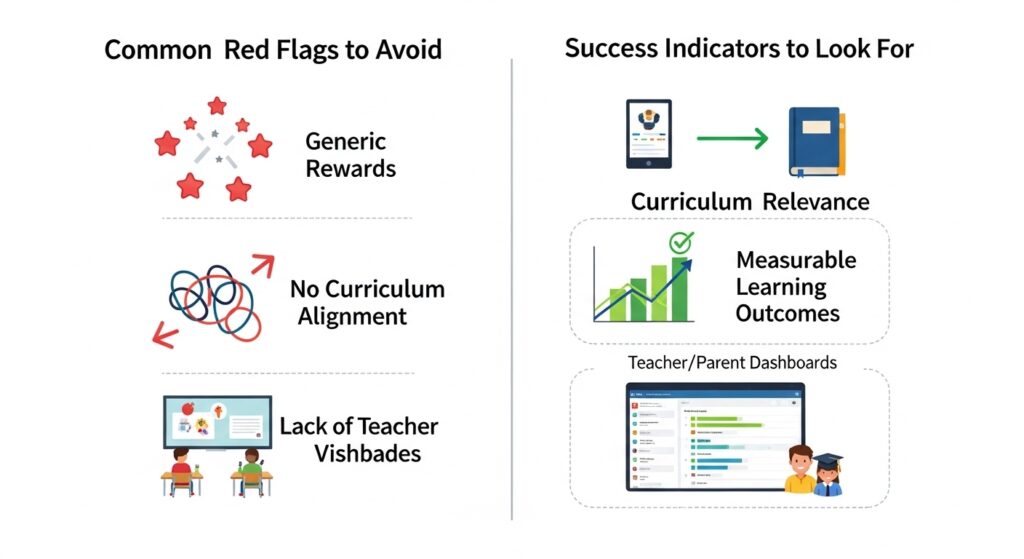
Most educational apps are not built by educators. They are built by developers who understand engagement mechanics (points, badges, levels) but not learning science. The result is digital busywork: activities that feel educational but teach nothing.
The core problems are predictable. Apps offer generic content disconnected from what students learn in school. A child studying the Nigerian curriculum in Lagos encounters examples and contexts from American or British classrooms. The cognitive load of translating content to their reality reduces learning effectiveness.
Rewards become meaningless. Students earn badges for completing activities, not for demonstrating mastery. The app celebrates participation, not understanding. This trains students to optimize for rewards rather than learning (clicking through questions to earn points without engaging with concepts).
There is no teacher or parent visibility. The app operates as a black box. Parents see their child staring at a screen and assume learning is happening. Teachers cannot integrate app activities into classroom instruction because they have no visibility into what students actually did or learned.
Most critically, there are no measurable outcomes. Apps track time spent and activities completed (vanity metrics that do not correlate with learning). E.g, Did comprehension improve? Can the student apply the concept? The app cannot answer these questions, so neither can parents or teachers.
Understanding why apps fail is only half the battle. The other half is learning to recognise the warning signs before you waste time and money.
Before downloading another app, check for these red flags:
Warning Sign #1: Rewards Disconnected From Learning
If students earn points simply for logging in, completing activities, or “participation,” the app prioritises engagement over education. Effective apps reward demonstrated mastery (correct answers, concept application, problem-solving), not just screen time.
Warning Sign #2: One-Size-Fits-All Content
Generic content works for no one. Apps that do not adapt to individual student levels, local curriculum standards, or cultural context will frustrate advanced learners and leave struggling students behind. If the app cannot explain why this specific content matters to this specific student, it will fail.
Warning Sign #3: No Curriculum Alignment
If the app content does not connect to what students are learning in school, it becomes supplemental busywork. Parents must ask: Does this prepare my child for their actual exams? Does it reinforce what their teacher is teaching? If not, it is entertainment, not education.
Warning Sign #4: Entertainment Over Education
Flashy animations and game mechanics are not inherently bad, but when the “game” is more memorable than the learning, priorities are inverted. Students should remember the concept, not just the character who delivered it. Balance matters.
Warning Sign #5: Zero Teacher or Parent Visibility
Apps that do not provide progress tracking, learning analytics, or integration with classroom instruction operate in isolation. Parents cannot support learning they cannot see. Teachers cannot build on practice they cannot verify. Transparency is essential.
Now that you know what to avoid, here are the questions that will help you identify apps worth your investment.
Before investing time and money, ask these questions:
Question #1: Does it align with what my child is learning in school?
Effective apps support, not replace, classroom instruction. For Nigerian students, this means alignment with the national curriculum, preparation for WAEC, JAMB, or BECE examinations, and examples that reflect their reality. Curriculum-aligned educational tools integrate seamlessly into students’ existing learning journey rather than creating a parallel, disconnected experience.
Question #2: Can I see measurable progress and learning outcomes?
Demand transparency. The app should show what concepts your child has mastered, where they struggle, and how performance changes over time. Vague statements like “improving” mean nothing. Look for specific data: percentage of questions answered correctly, topics mastered, time to completion, and comparison to grade-level expectations.
Question #3: Does it increase motivation without sacrificing learning quality?
The best apps make learning genuinely engaging—not through superficial rewards, but through meaningful competition, visible progress, and content that respects student intelligence. Gamified learning apps that work use competition and rewards to drive practice of real skills, not to distract from shallow content.
Question #4: Do teachers and schools actually use it?
Consumer apps can be abandoned with no consequence. Apps that schools and teachers integrate into instruction have been vetted for educational effectiveness. If an app is used in actual classrooms at scale, it has survived the scrutiny of professional educators and demonstrated results.
These questions provide a practical filter, but what do apps that pass this test actually look like in practice?
The rare apps that succeed share specific characteristics. They begin with clear learning objectives for every activity. Students know what they are supposed to learn and can measure whether they learned it.
Platforms like Schoola Learn exemplify this approach:
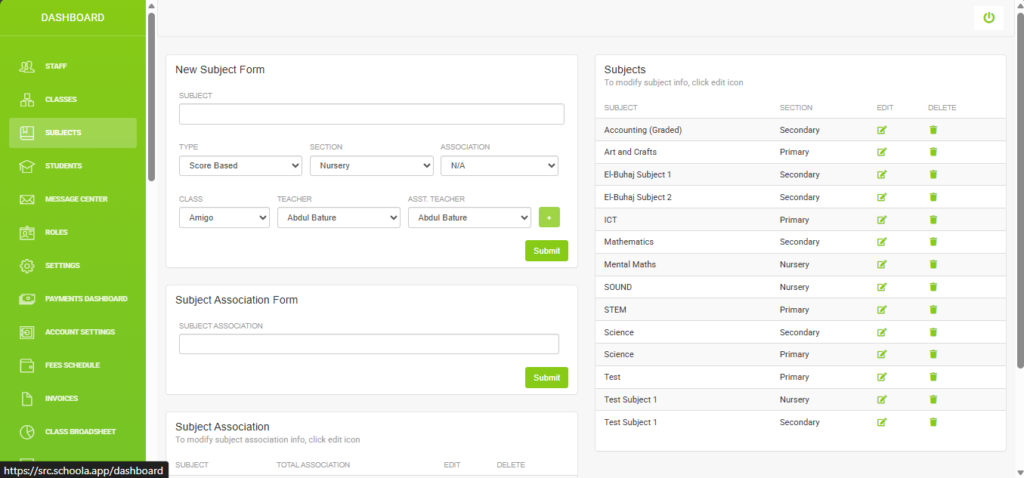
Most importantly, Schoola was built by people who understand African education; not as an export market for foreign content, but as a unique context requiring purpose-built solutions. With 17,000+ teachers, 2,000+ schools, and partnerships with UBEC and multiple state education boards, Schoola has survived the scrutiny that causes most educational apps to fail. Recognition from the Gates Foundation, Mastercard Foundation, and four consecutive years on the HolonIQ Africa EdTech 50 list validates what Nigerian classrooms already know: this platform works.
The difference between apps that fail and apps that work is not complexity or budget. It is whether the app was built with learning outcomes as the foundation or as an afterthought. Schoola began with a simple question: What if technology genuinely helped teachers teach better, and students learn more? Every feature (from AI-powered lesson planning through Curri AI to tournament-based practice through Schoola Learn) answers that question.
Most educational apps fail because they prioritise downloads over learning, engagement over outcomes, and entertainment over education. But when apps are built with pedagogical integrity, curriculum alignment, meaningful engagement, and transparency, they become powerful tools that transform education.
Your child’s learning is too important to waste on digital busywork disguised as education. The warning signs and questions in this guide will help you separate apps that work from apps that waste time. Demand transparency, curriculum alignment, and measurable outcomes. Settle for nothing less.
Ready to explore educational tools that prioritise learning outcomes?
Explore Schoola’s learning ecosystem built for real results in African classrooms.